Boston gets all the headlines. Cambridge gets all the character.
If you’re planning a trip to the Boston area and weighing your options, here’s an honest case for staying in Cambridge — and why more and more visitors are making the switch.
You’re in the Backyard of Harvard and MIT
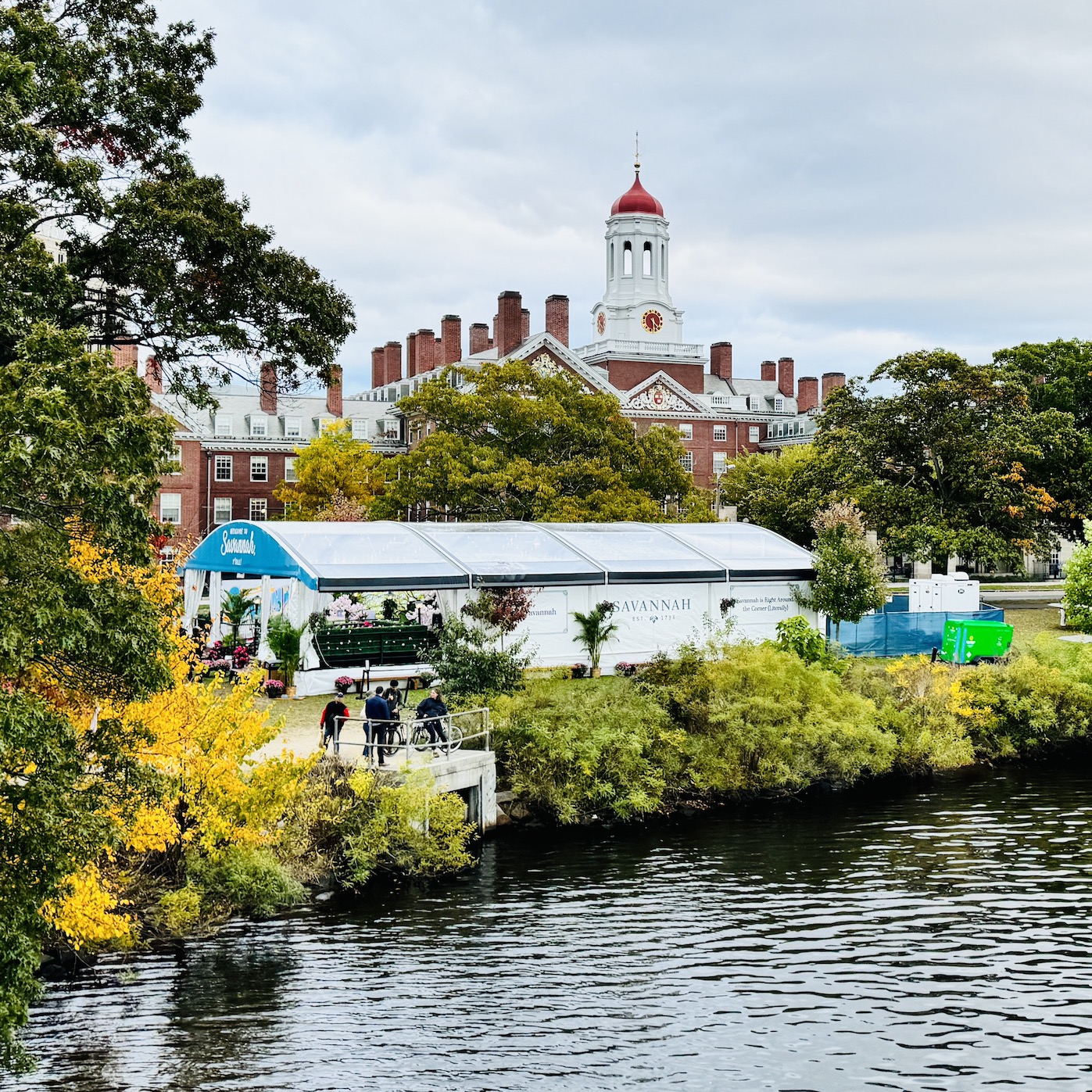
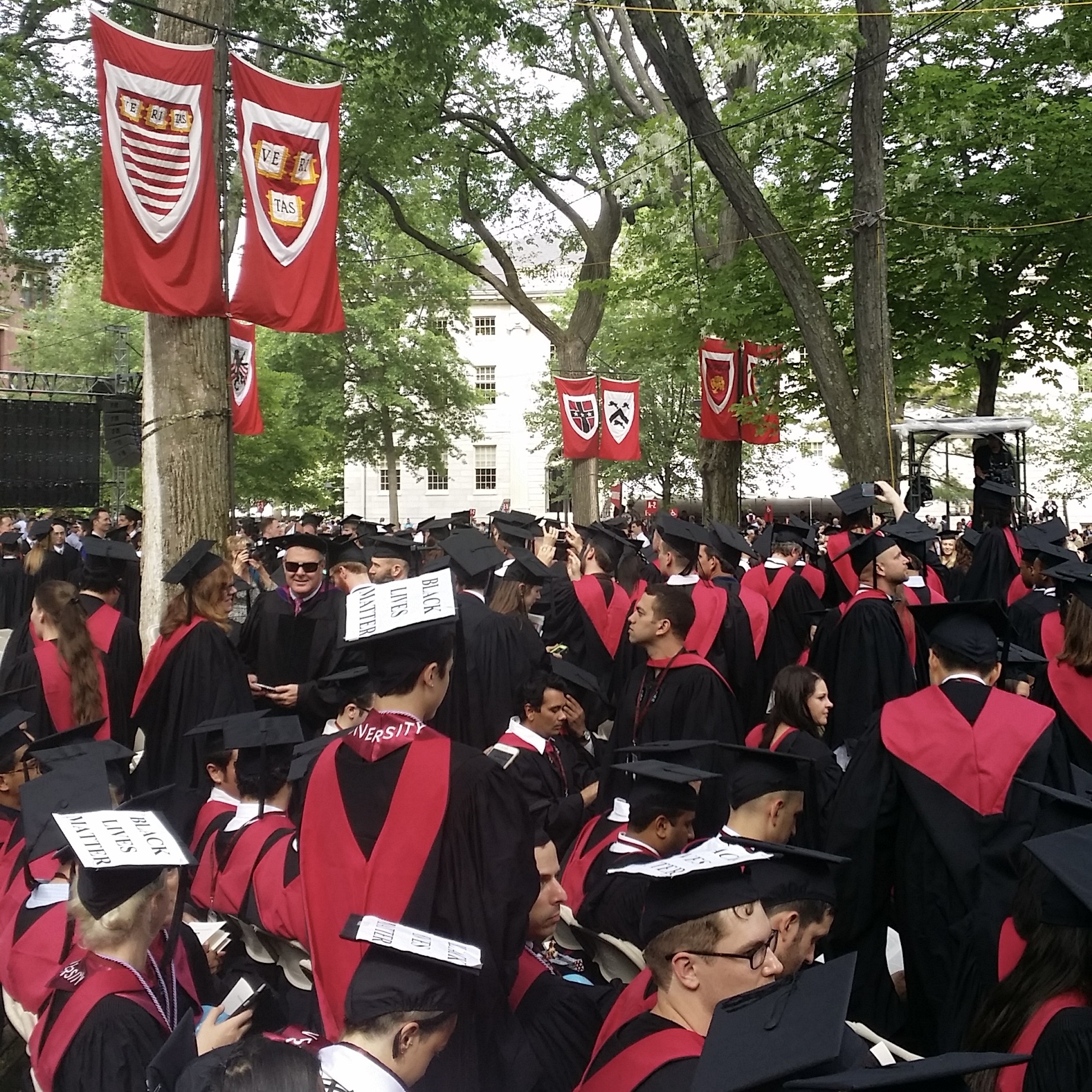
Cambridge is home to two of the most consequential institutions in human history. Harvard University, founded in 1636, is the oldest university in the United States. MIT, founded in 1861, has produced more Nobel laureates than most countries.
Walking through Harvard Square or along MIT’s Infinite Corridor isn’t just sightseeing — it’s stepping into the living, breathing center of global ideas. The energy is unlike anything you’ll find in downtown Boston’s hotel districts.
Whether you’re a parent visiting a student, an academic attending a conference, or simply a curious traveler, Cambridge puts you right in the middle of it.
Rich History at Every Corner
Cambridge predates the United States itself. It was here that George Washington took command of the Continental Army in 1775, standing beneath the great elm on Cambridge Common. It was here that Henry Wadsworth Longfellow wrote some of America’s most beloved poetry, in a house that still stands on Brattle Street.
The neighborhood known as “Tory Row” along Brattle Street preserves some of the finest colonial architecture in New England. The Old Burying Ground on Massachusetts Avenue dates to 1635. You don’t need a museum ticket to walk through centuries of American history — it’s all around you.
World-Class Museums, Many Free
Cambridge punches far above its weight on museums:
- Harvard Art Museums — three world-class collections under one roof, including works by Monet, Picasso, and Rembrandt
- Peabody Museum of Archaeology & Ethnology — one of the oldest anthropology museums in the Western Hemisphere
- MIT Museum — cutting-edge exhibits on science, technology, and innovation
- Harvard Museum of Natural History — home to the famous Glass Flowers, a collection of 3,000 botanically accurate glass models
Several offer free or discounted admission on select days, and the grounds of both Harvard and MIT are always open to the public at no charge.
Easy Commute to Downtown Boston
One concern visitors often raise: “Will I be far from everything?”
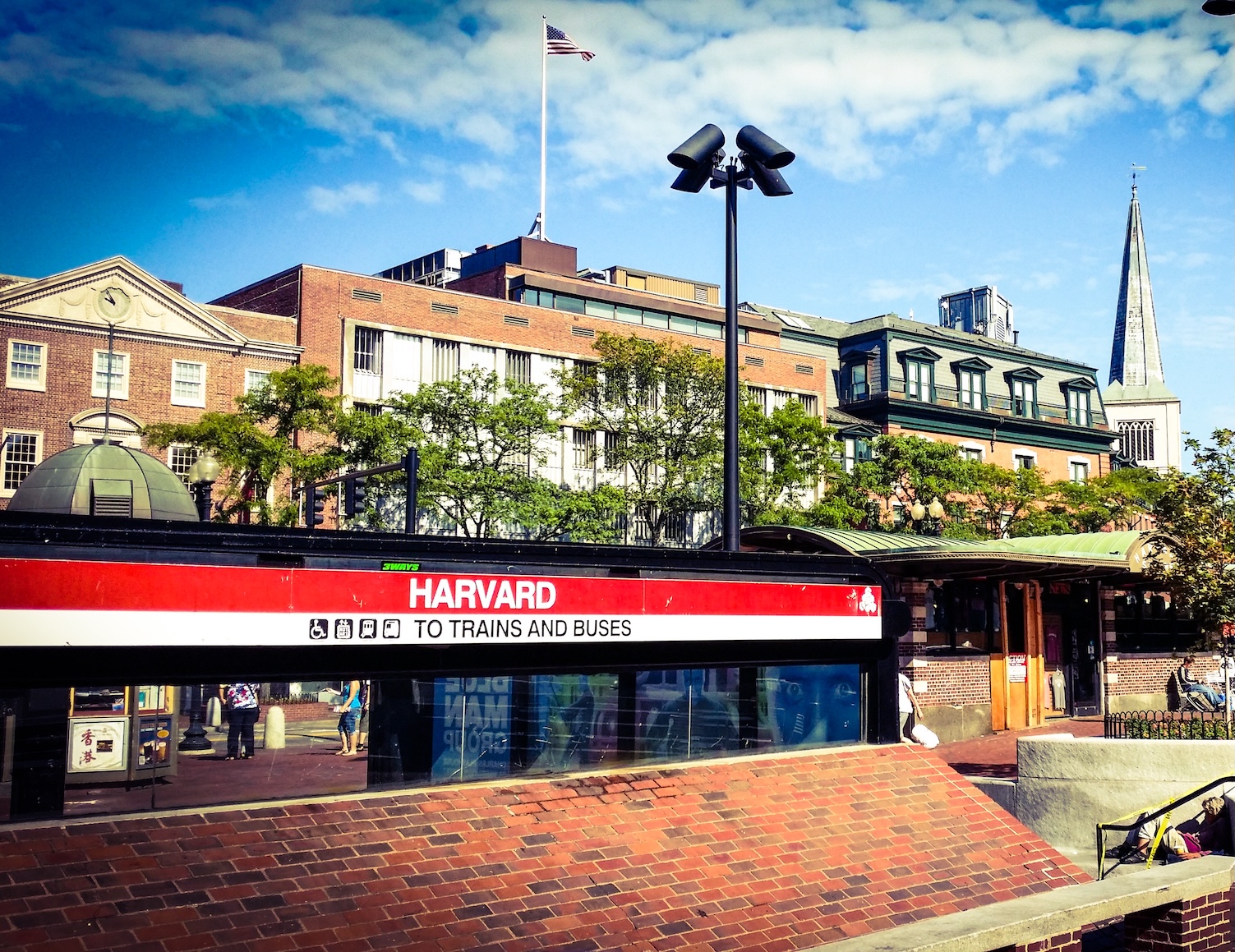
The answer is no. Cambridge sits directly on the Red Line, which connects Harvard Square to downtown Boston in about 20 minutes. South Station, Fenway Park, the Seaport, Newbury Street — all accessible without a car, without parking headaches, without downtown hotel prices.
You get the best of both worlds: a quieter, more livable base, with the full city at your doorstep.
Quieter Streets, Better Sleep
Downtown Boston hotels are convenient — but they come with the noise, congestion, and chaos of a major city center. Cambridge, especially the neighborhoods around Harvard Square and Inman Square, offers tree-lined streets, neighborhood restaurants, independent bookshops, and a pace of life that actually lets you relax.
If you’ve ever lain awake in a downtown hotel listening to sirens and street noise, you’ll appreciate the difference on your first night in Cambridge.
Comparable Pricing, Superior Experience
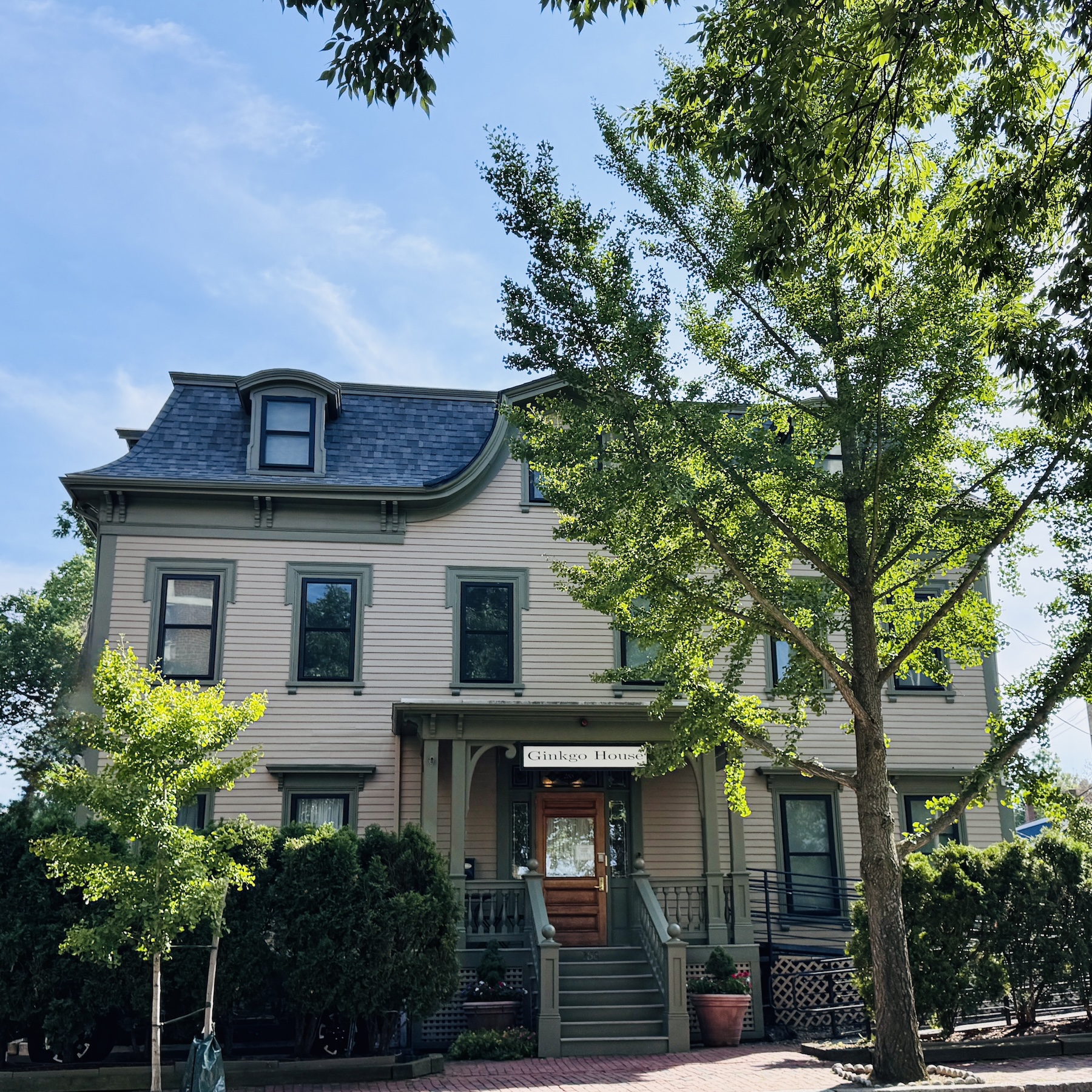
Downtown Boston hotels regularly run $350–$600+ per night for standard rooms, especially during peak season. In Cambridge, boutique properties like Ginkgo House start at $250/night — offering a more personal, more characterful stay at a better value.
You’re not sacrificing location. You’re upgrading the experience.
The Bottom Line
Downtown Boston makes sense if your trip is entirely centered on the waterfront or the Seaport. But for most visitors — families, academics, culture travelers, World Cup fans — Cambridge offers more history, more character, more quiet, and easier access to the institutions that make this region genuinely world-class.
Ginkgo House is a 14-room boutique hotel on Harvard Street in Cambridge, MA, steps from Harvard Square. Rooms start at $250/night.